
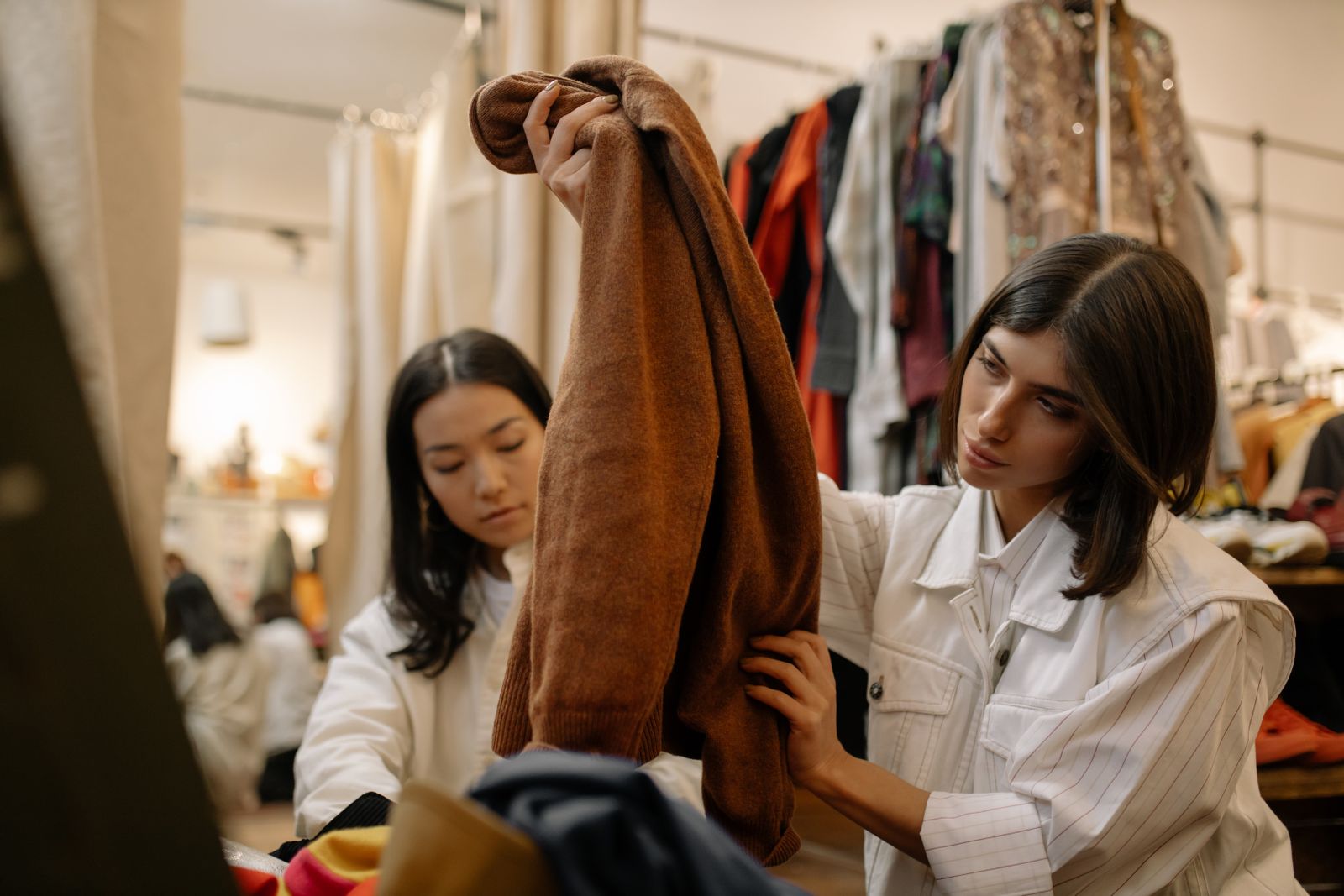
How to Make Your Wardrobe More Sustainable Without Giving Up Style

Sustainable wardrobe with clothing on a rack

How to Make Your Wardrobe More Sustainable Without Giving Up Style

You don’t have to give up fashion, trends, or your own style to build a wardrobe that lasts. It involves being more careful about what you buy, how you use your clothes, and how you take care of them. You may still look attractive, modern, creative, and have fun with a sustainable wardrobe. Not aiming for perfection. The idea is to think more about fashion.

A lot of people think that sustainable fashion is dull or too expensive, but that’s not true. You can make your clothes last longer by buying less, picking nicer pieces, wearing what you already own again, shopping secondhand, and taking care of your clothes. You may still look attractive and feel well while making these little modifications that can help cut down on waste.

The first step is to know your own style.
The first step to a wardrobe that lasts longer is to identify what you like to wear. A lot of individuals buy things because they are on sale, they are popular online, or they look good right now. Those things go into the wardrobe later and never get used.

You make better shopping choices when you know what your style is. Check out the outfits you wear the most. Pay attention to the colours, forms, fabrics, and clothes that make you feel good and confident. Do you like classic clothes, casual essentials, vibrant designs, soft neutrals, or structured clothes?

You are less likely to buy items that don’t fit your life if you know exactly what your style is.

Choose better things to buy less of
Buying less clothes is one of the easiest methods to make your wardrobe last longer. This doesn’t imply you can’t shop anymore. It implies being more picky.

Before you buy something new, think about how many ways you can wear it. Will it go with the clothes you already have? Is it a good fit? Is it comfy? Will you still like it in a few months?

Having a lot of clothes doesn’t mean you have a trendy wardrobe. It’s about having useful things that go nicely together. You don’t need much to make a lot of ensembles. A good pair of trousers, a nice white shirt, a black jacket, comfy shoes, and simple knitwear are all you need.

Pick things that will last
Trends might be entertaining, but if you just buy clothes that are in style, you might squander money. Items that are based on trends frequently feel old soon, which can make you want to purchase all the time. Timeless things last longer because they always look good.

It’s easy to style and wear again classic clothing like trench coats, fitted pants, denim jackets, button-up shirts, basic skirts, loafers and neutral sweaters. You can also change them by adding accessories, shoes, and layers.

Not all timeless fashion is plain. This involves picking out things that will last.

Buy things that are used or old
One of the easiest methods to have a stylish wardrobe that lasts is to look for clothes that are already used. You can find one-of-a-kind clothes at thrift stores, vintage shops, resale apps, and clothing exchanges. These clothes are typically more intriguing than clothes that are made in large quantities.

Buying used garments makes them last longer and cuts down on the need for new clothes. It can also help you identify things that are better quality for less money. A vintage jacket, leather purse, silk blouse, or pair of trousers can give your clothes some character.

If you like to try out different styles but don’t want to buy a lot of new clothes, secondhand fashion is a great option.

Take better care of your clothes.
Being sustainable isn’t just about what you buy. It also has to do with how long you retain and wear your clothes. Taking care of your clothes might make them last a lot longer.

Follow the care labels, only wash garments when you need to, use gentle cycles, air dry when you can, and store things correctly. Little things you do can keep your clothes from fading, shrinking, straining, and getting damaged.

Fixing clothes is also necessary. If something has a loose hem, a lost button, or a little tear, it doesn’t imply it should be thrown away. Clothes can last a lot longer with simple fixes.

Change the style of things you already own
Before you buy something new, check out what you currently have in your closet. A lot of people don’t know how many outfits they can wear. You can wear trainers with a dress during the day and boots at night. A blazer may make jeans look nicer. A scarf may make a plain clothing look new. You can tuck, layer, knot, or leave a shirt open.

You can appreciate your garments again by restyling them. It also makes people more creative. Using clothes you already own in a unique way may sometimes make the most stunning outfits.

Don’t buy things on a whim
One of the primary reasons wardrobes get messy is because people buy things on a whim. A low price or a short trend can make something seem appealing, but it could not be beneficial for a long time.

One easy rule is to stop before you buy. Take some time to think. It might be worth buying if you still want it later and know how you’ll wear it. You probably didn’t need it if you forget about it quickly.

Shopping with care is good for your budget, your space, and the environment.

When you can, support brands that are responsible.
When you buy new clothes, look for brands that are more open about the materials they use, the people they hire, and how they make their items. Find out about the quality of the fabric, whether the workers are treated fairly, whether the items are made in small batches, whether they are made from recycled materials, or how long they will last.

You don’t have to buy all new clothes from expensive eco-friendly manufacturers. Make tiny choices first. Instead of buying a lot of cheap things, buy one good one. Pick garments that fit your style and are made to last.

You can have style and be eco-friendly at the same time.
You don’t have to feel limited by a sustainable wardrobe. In fact, it can make fashion more fun. It’s easier to get dressed when you know your style, own things you really like, and make smart decisions.

Caring is a big part of sustainable fashion. Take care of your clothes, your money, your style, and the world around you. You may still look good, pick and choose which trends to follow, and show off your style through clothes. The difference is that your clothing becomes more practical, less wasteful, and more planned.

How to Dress for Confidence When Starting a New Job, School, or Life Chapter

Business casual outfit examples

How to Dress for Confidence When Starting a New Job, School, or Life Chapter

Starting something new can feel exciting and uncomfortable at the same time. Whether it is a new job, school, college, internship, business, or personal chapter, what you wear can affect how you feel. Clothing will not solve every fear, but the right outfit can help you feel more prepared, calm, and confident.

Dressing for confidence is not about wearing the most expensive clothes or copying someone else’s style. It is about choosing outfits that fit well, feel comfortable, suit the setting, and reflect who you are. When your clothes support you, it becomes easier to focus on the new experience instead of worrying about how you look.

Start With the Setting

Before choosing an outfit, think about where you are going. A new office, classroom, campus, interview, training day, or social setting may each require a different level of formality. Dressing well means respecting the environment while still feeling like yourself.

For a new job, check whether the workplace is formal, business casual, creative, or relaxed. For school or college, think about comfort, movement, and practicality. For a new life chapter, such as moving city or starting over personally, choose clothes that help you feel grounded and ready.

The goal is to look appropriate without feeling like you are wearing a costume.

Choose Comfort First

Confidence is hard when your clothes are uncomfortable. Tight waistbands, stiff shoes, itchy fabrics, or pieces that need constant adjusting can make you feel distracted. On an important first day, comfort matters.

Choose clothes that allow you to sit, walk, move, and breathe easily. A soft shirt, well-fitting trousers, comfortable jeans, a simple dress, or supportive shoes can help you feel relaxed. Comfort does not mean careless. It means choosing pieces that look good and feel good at the same time.

Before wearing something new, try it on at home. Move around, sit down, and check how it feels after a while. This helps avoid surprises.

Wear Clothes That Fit Well

Fit is one of the biggest parts of looking confident. Clothes that fit properly create a cleaner, more polished appearance. They also help you feel more secure.

Your outfit should not pull, sag, gape, or feel too restrictive. If a blazer fits well at the shoulders, trousers sit comfortably at the waist, or a dress falls neatly, the whole look feels more intentional.

You do not need perfect tailoring for every outfit, but small adjustments can make a difference. Hemming trousers, adding a belt, or choosing the right size can instantly improve how clothes look and feel.

Keep It Simple and Polished

When starting something new, simple outfits often work best. You do not need to make a dramatic fashion statement on the first day. Clean, polished clothing helps you look prepared without drawing too much attention away from your personality.

Good options include a button-down shirt with trousers, a neat sweater with jeans, a simple dress with flats, a blazer with a plain top, or clean sneakers with casual smart pieces. Neutral colors such as black, navy, white, beige, grey, and brown are easy to style and usually look calm and put together.

Simple outfits also reduce stress because they are easier to plan.

Add One Personal Detail

Even when dressing for a new setting, your outfit should still feel like you. Add one personal detail that brings comfort or personality. This could be a favorite watch, small earrings, a scarf, a belt, a meaningful necklace, a colorful bag, or shoes you love.

Personal details remind you that you do not need to become someone else to succeed in a new chapter. You can adapt to the situation while still showing your own style.

The key is balance. Let one detail stand out while keeping the rest of the outfit clean and appropriate.

Use Color Thoughtfully

Color can affect how you feel. Some people feel confident in black because it feels strong and classic. Others feel better in blue, green, burgundy, cream, or soft pastels. Choose colors that make you feel comfortable and focused.

For a first day, avoid wearing a color only because it is trendy. Wear something that feels natural to you. If you love bright colors, try using them in a controlled way, such as a top, scarf, bag, or shoes. If you prefer neutrals, add texture or accessories to keep the outfit interesting.

Prepare the Night Before

Confidence often starts with preparation. Lay out your outfit the night before so you are not rushing in the morning. Check that everything is clean, pressed, and ready to wear. Make sure your shoes are comfortable and your bag has what you need.

This simple habit can reduce stress. When your outfit is already chosen, you can start the day with a clearer mind.

Dress for the Person You Are Becoming

A new job, school, or life chapter is a chance to step into a new version of yourself. Your clothes can support that feeling. Think about how you want to show up. Prepared? Creative? Professional? Open? Calm? Strong?

Choose an outfit that reflects that energy. It does not need to be perfect. It only needs to help you feel ready.

Final Thoughts

Dressing for confidence during a new beginning is about comfort, fit, preparation, and personal style. The right outfit can help you feel more settled when everything else feels unfamiliar.

Choose clothes that suit the setting, feel good on your body, and show a little of who you are. When your outfit supports you, you can walk into a new job, school, or life chapter with more confidence and less worry.

The Future of Fashion: Sustainability, Technology, Inclusivity, and Personal Expression

Sustainable fashion and wardrobe planning

The Future of Fashion: Sustainability, Technology, Inclusivity, and Personal Expression

Fashion is changing faster than ever. It is no longer only about seasonal trends, designer labels, or what appears on the runway. The future of fashion is being shaped by bigger ideas: sustainability, technology, inclusivity, and personal expression. These forces are changing how clothes are designed, made, sold, worn, and valued.

Modern shoppers want more than stylish clothing. They want fashion that feels good, fits well, lasts longer, and reflects who they are. They also want to understand where their clothes come from and how they affect people and the planet. Because of this, fashion brands are being pushed to become more responsible, creative, and transparent.

Sustainability Is Becoming Essential

Sustainability is one of the most important parts of the future of fashion. For many years, the fashion industry has been connected to overproduction, waste, and fast-changing trends. Many clothes are bought quickly, worn only a few times, and then thrown away. This pattern is becoming harder to ignore.

Sustainable fashion focuses on making better choices at every stage. This includes using eco-friendly materials, reducing fabric waste, improving factory conditions, and creating clothing that lasts longer. It also includes secondhand shopping, clothing rental, repair services, and recycling.

In the future, people may buy fewer clothes but choose them more carefully. Instead of filling closets with items that are rarely worn, shoppers may focus on quality, versatility, and long-term value. A well-made jacket, classic pair of trousers, or durable pair of shoes can be more useful than many trend-based pieces that quickly lose appeal.

Technology Is Transforming Fashion Design

Technology is changing the way designers create clothing. Digital design tools allow fashion teams to sketch, test, and adjust garments before making physical samples. This can save time, lower costs, and reduce waste.

Three-dimensional design software can show how fabric may move, how a garment may fit, and how colors may look before production begins. Artificial intelligence can also help brands study customer preferences, predict trends, and manage inventory more effectively.

Technology does not replace creativity. Instead, it gives designers new tools to bring ideas to life. The future of fashion will likely combine human imagination with smart digital systems.

Online Shopping Will Become More Personal

Shopping is also becoming more advanced. Many people now discover fashion through websites, apps, social media, and online marketplaces. In the future, digital shopping will become even more personal and interactive.

Virtual fitting rooms, size recommendation tools, and augmented reality can help shoppers see how clothing may look before buying it. This can reduce uncertainty and make online shopping easier. Better sizing tools may also reduce returns, which is important for both businesses and the environment.

Personalized recommendations will continue to improve. Instead of showing every customer the same products, brands can suggest clothing based on style preferences, body measurements, previous purchases, and lifestyle needs.

Inclusivity Will Shape Better Fashion

The future of fashion must be more inclusive. For too long, the industry has focused on limited beauty standards and narrow size ranges. Many people have felt ignored because clothing was not designed with their bodies, cultures, ages, abilities, or identities in mind.

Inclusive fashion means creating clothing for real people. This includes extended sizing, adaptive clothing, gender-inclusive designs, modest fashion options, and better representation in campaigns and media.

Inclusivity is not just about advertising. It must be part of design, production, styling, and retail. When fashion becomes more inclusive, more people can feel seen, respected, and confident.

Personal Expression Will Matter More Than Rules

Fashion rules are becoming less important. People no longer want to be told that they must dress a certain way based on age, gender, body type, or social expectations. Instead, personal expression is becoming the center of modern style.

The future of fashion will give people more freedom to mix styles, colors, textures, and influences. Someone may wear vintage jeans with a modern blazer, sneakers with a dress, or bold accessories with simple basics. Personal style will become less about following trends and more about creating outfits that feel authentic.

Social media has helped this change. People can now find fashion inspiration from creators around the world, not only from magazines or luxury brands. This has made style more diverse and more personal.

Circular Fashion Will Continue to Grow

Circular fashion is another important part of the future. Instead of buying clothes, wearing them briefly, and throwing them away, circular fashion encourages people to reuse, repair, resell, and recycle.

Secondhand fashion platforms, thrift stores, clothing swaps, and upcycled fashion brands are becoming more popular. These options give clothes a longer life and help reduce waste.

Circular fashion also makes wardrobes more unique. A vintage coat, repaired pair of jeans, or upcycled shirt can feel more personal than a mass-produced item. It shows that fashion does not always need to be new to be stylish.

Transparency Will Build Trust

Customers are asking more questions about fashion brands. They want to know who made their clothes, what materials were used, and whether workers were treated fairly. This means transparency will become more important.

Brands that are honest about their supply chains, pricing, materials, and goals will be more likely to earn trust. Customers understand that no brand is perfect, but they want real effort and clear communication.

In the future, fashion companies will need to prove their values through action, not just marketing.

A Smarter and More Human Fashion Future

The future of fashion will not be shaped by one trend alone. It will be shaped by a mix of responsibility, innovation, creativity, and individuality. Sustainability will help reduce waste. Technology will improve design and shopping. Inclusivity will make fashion more welcoming. Personal expression will allow people to dress with more freedom.

Fashion will always be about beauty and creativity, but it is becoming something more thoughtful. The best fashion of the future will not only look good. It will also support people, respect the planet, and help individuals feel confident in who they are.