How to Choose Clothes That Feel Good, Look Good, and Last Beyond One Season

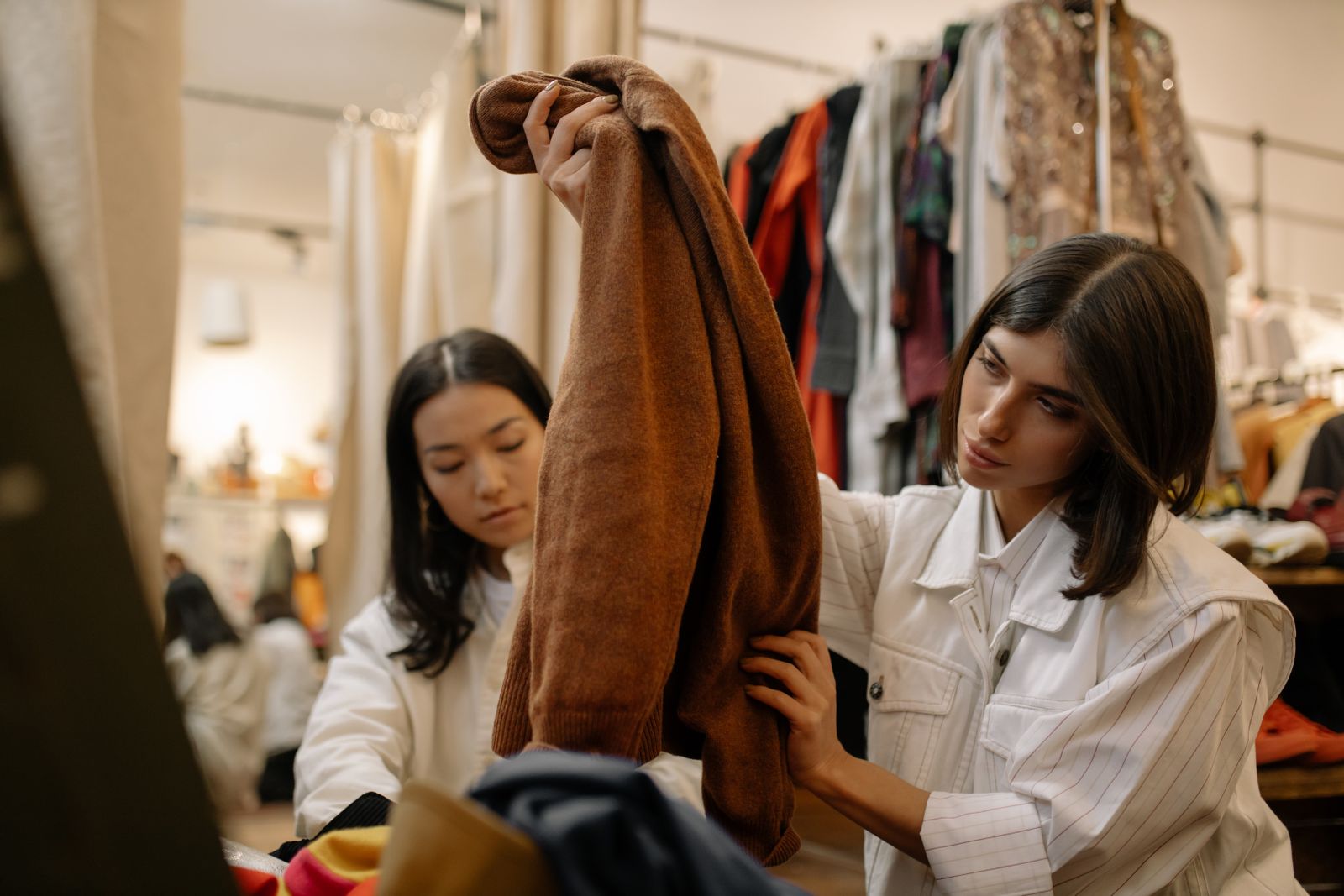
Clothing rack with everyday wardrobe pieces

How to Choose Clothes That Feel Good, Look Good, and Last Beyond One Season

Choosing clothes that feel good, look good, and last beyond one season is one of the best ways to build a smarter wardrobe. Trends can be fun, but clothes that only work for a few weeks often end up forgotten at the back of the closet. A better approach is to choose pieces that fit your lifestyle, feel comfortable on your body, and stay useful long after a trend has passed.

Good clothing does not always mean expensive clothing. It means paying attention to fit, fabric, quality, color, and how well each item works with the rest of your wardrobe. When you choose carefully, you buy less, wear more, and feel better in what you own.

Start With Comfort

Comfort should never be an afterthought. If a piece of clothing looks stylish but feels uncomfortable, you probably will not wear it often. Clothes that pinch, scratch, ride up, feel too tight, or need constant adjusting can make you feel distracted all day.

Before buying anything, think about how it feels when you move. Can you sit comfortably? Can you walk easily? Does the fabric feel good against your skin? Does the waistband feel secure without digging in?

Comfort does not mean sacrificing style. A well-fitted pair of trousers, a soft cotton shirt, a relaxed blazer, or a simple dress can look polished while still feeling easy to wear. The best clothes support your day instead of making it harder.

Pay Attention to Fit

Fit is one of the most important parts of looking good. Even a simple outfit can look stylish when the clothes fit properly. On the other hand, even expensive clothing can look wrong if it pulls, sags, or overwhelms your shape.

Look for clothes that follow your body naturally. Shoulder seams should sit close to your shoulders. Trousers should feel comfortable at the waist and fall neatly. Dresses and tops should allow movement without feeling too loose or too tight.

If something is almost perfect, small alterations can help. Hemming trousers, shortening sleeves, or adjusting a waist can make clothes feel more personal and polished. A good fit also helps clothing stay useful because you are more likely to reach for items that make you feel confident.

Choose Quality Fabrics

Fabric affects how clothing feels, looks, washes, and lasts. Better fabrics usually hold their shape longer, feel nicer on the skin, and age more gracefully. This does not mean every item needs to be luxury quality, but it does mean you should check the material before buying.

Cotton, linen, wool, denim, silk, and well-made blends can all be good choices depending on the garment. Some synthetic fabrics can also be practical, especially for activewear, outerwear, and travel clothing. The key is to avoid fabrics that feel overly thin, rough, weak, or likely to lose shape quickly.

Hold the garment up to the light. Feel the fabric with your hands. Check whether it stretches back into place. Look at the stitching and seams. These small checks can tell you a lot about whether the item is likely to last beyond one season.

Think About Versatility

Clothes last longer in your wardrobe when they can be worn in more than one way. Before buying something, ask yourself whether you can style it with at least three items you already own. If the answer is yes, it is more likely to become a useful part of your wardrobe.

Versatile clothes often include simple shirts, neutral trousers, classic jeans, knitwear, blazers, plain dresses, and practical jackets. These pieces can be dressed up or down depending on the shoes, bag, and accessories.

A white shirt can work with jeans, tailored trousers, skirts, or under a sweater. A black dress can look casual with sneakers or elegant with boots and jewelry. A good pair of jeans can be worn across many seasons with different layers.

Avoid Buying Only for Trends

Trends can add freshness to your wardrobe, but they should not control every purchase. If you buy something only because it is popular, you may stop wearing it once the trend fades.

Instead, choose trends that fit your personal style. If a trending color suits you, try it in a top or accessory. If a new trouser shape works with your wardrobe, it may be worth adding. But if a trend feels uncomfortable, impractical, or unlike you, it is fine to skip it.

Clothes that last beyond one season usually have some timeless quality. They may have a simple shape, a useful color, a flattering fit, or a fabric that works year after year.

Choose Colors You Actually Wear

Color plays a big role in how often you wear something. Some people love neutrals such as black, white, navy, grey, beige, and brown. Others feel best in bright colors or soft pastels. The most important thing is to choose colors that suit your life and make you feel good.

A wardrobe built around wearable colors is easier to mix and match. This does not mean everything has to be plain. You can still include prints, bold shades, or statement pieces. Just make sure they work with the rest of your clothes.

Care for Your Clothes Properly

Even good clothes will not last if they are not cared for well. Washing too often, using high heat, or ignoring care labels can damage fabric and shape. Simple habits can help your clothing last longer.

Wash clothes gently when possible. Air dry delicate items. Fold knitwear instead of hanging it. Remove lint, trim loose threads, and store shoes and bags properly. These small actions protect your wardrobe and keep outfits looking fresh.

Final Thoughts

Choosing clothes that feel good, look good, and last beyond one season is about making thoughtful decisions. Focus on comfort, fit, fabric, versatility, and personal style. Avoid buying only for trends, and choose pieces that work with your real life.

A lasting wardrobe does not need to be large. It needs to be useful, comfortable, and true to you. When you choose better, you wear your clothes more often, feel more confident, and build a wardrobe that stays stylish season after season.

The Importance of Fashion Branding in Creating Desire, Loyalty, and Recognition

Fashion brand storefront showing clothing retail branding

The Importance of Fashion Branding in Creating Desire, Loyalty, and Recognition

Fashion branding is one of the most powerful parts of the fashion industry. A brand is not only a logo, label, or name stitched into clothing. It is the feeling people connect with a product. It is the story, image, quality, style, and personality that make customers choose one brand over another.

In a crowded market, clothing alone is often not enough. Many brands sell similar shirts, jeans, dresses, shoes, and accessories. What makes one stand out is branding. Strong fashion branding creates desire, builds loyalty, and helps people recognize a label instantly.

Fashion Branding Creates Emotional Desire

People do not always buy fashion only because they need clothes. They often buy because they want to feel a certain way. A brand can make customers feel elegant, confident, creative, modern, rebellious, luxurious, relaxed, or unique.

This emotional connection is what creates desire. A simple black dress can become more appealing when it is connected to a brand known for timeless elegance. A pair of sneakers can feel more exciting when the brand represents energy, youth culture, or performance. A handbag can become desirable because it reflects status, craftsmanship, or personal taste.

Good branding turns products into symbols. Customers are not only buying fabric and stitching. They are buying into a lifestyle, image, or identity.

Branding Makes Fashion Easier to Recognize

Recognition is essential in fashion. When people can identify a brand quickly, it becomes easier for that brand to stay in their minds. This recognition may come from a logo, color palette, packaging, store design, photography style, social media presence, or signature product.

Some brands are recognized by clean minimalism. Others are known for bold prints, luxury materials, streetwear energy, romantic designs, or classic tailoring. Over time, these repeated details build a clear identity.

Strong recognition helps customers feel familiar with a brand. Even before they read the label, they may know who created the piece because of the design language. This is one of the reasons consistent fashion branding matters so much.

Branding Builds Customer Loyalty

Loyalty grows when customers trust a brand. If someone buys a coat, pair of jeans, or bag and has a good experience, they are more likely to return. But loyalty is not based only on product quality. It is also shaped by how the brand makes the customer feel.

A loyal customer may return because the fit is reliable, the style matches their personality, or the brand values feel aligned with their own. They may like the shopping experience, the customer service, the campaign imagery, or the message behind the collection.

Fashion branding helps create this relationship. It gives customers a reason to come back beyond one single item. When people feel connected to a brand, they often follow new releases, recommend products, and choose that brand again.

A Strong Brand Tells a Clear Story

Every successful fashion brand has a story. That story might be about craftsmanship, innovation, sustainability, luxury, affordability, cultural heritage, street style, or self-expression. The clearer the story, the easier it is for customers to understand the brand.

A clear brand story helps answer important questions. Who is this brand for? What does it stand for? Why should people care? What makes it different?

Without a clear story, fashion can feel forgettable. With a strong story, even simple clothing can feel meaningful. Customers are more likely to remember a brand when they understand its purpose and personality.

Branding Helps Brands Stand Out Online

Online shopping and social media have made fashion more competitive. Customers scroll through hundreds of products, ads, videos, and outfit posts every day. In this fast-moving space, strong branding helps a fashion label stand out.

A brand with a clear visual identity is easier to notice. Consistent colors, styling, photography, tone of voice, and product presentation help create a recognizable online presence. This is especially important on platforms like Instagram, TikTok, Pinterest, and online stores.

When customers see the same brand style repeatedly, they begin to remember it. This familiarity can turn into trust, interest, and eventually purchase.

Fashion Branding Adds Value

Branding can increase the perceived value of clothing. Two items may be similar in material and function, but the one with stronger branding may feel more desirable. This is because the customer connects the item with a certain image or experience.

A well-branded item can feel special because of its design, story, packaging, store atmosphere, or cultural meaning. This does not mean branding should replace quality. The strongest fashion brands usually combine strong identity with well-made products.

When branding and quality work together, customers feel they are buying something worth keeping.

Branding Reflects Values

Modern customers often care about more than style. They may want brands that support sustainability, inclusivity, ethical production, creativity, or cultural awareness. Fashion branding helps communicate these values clearly.

A brand that talks about responsible materials should show that value through product choices, campaigns, packaging, and business practices. A brand that promotes inclusivity should reflect it in sizing, models, styling, and customer experience.

Values must feel real. Customers can usually tell when branding is only a marketing message. Authentic branding is stronger because it is supported by action.

Final Thoughts

Fashion branding is important because it gives clothing meaning beyond appearance. It creates desire by building emotional connection. It creates loyalty by helping customers trust and return to a brand. It creates recognition by giving a label a clear and memorable identity.

In fashion, people are not only choosing what to wear. They are choosing how they want to feel and how they want to be seen. A strong brand understands this and creates a consistent experience through design, storytelling, values, and visual identity.

The best fashion branding does not simply sell clothes. It creates a world customers want to be part of.

Why Fashion Trends Are Often Inspired by the Past but Reimagined for the Present

Vintage-inspired fashion on clothing racks

Why Fashion Trends Are Often Inspired by the Past but Reimagined for the Present

Fashion is continually changing, but it doesn’t usually start from scratch. A lot of the biggest trends right now are based on styles that were popular years or even decades ago. Wide-leg jeans, corset tops, platform shoes, big blazers, slip dresses, cargo pants, leather jackets and retro prints are all back in style in fresh ways.

This link between the past and the present is one of the things that keeps fashion interesting. Designers, stylists, and regular shoppers often go to historical trends for ideas and then change them to fit the way people live, what they value, the fabrics they like, and their tastes. The end result is attire that feels new yet also familiar.

Fashion has always changed in cycles.
Style works in cycles, therefore fashion fads often come back. People frequently want something new after wearing the same style for years. When slim jeans are popular for a long time, looser denim starts to feel fresh again. When minimalist fashion becomes popular, bright colours and patterns may come back. When casual clothes become popular, fitted clothes could start to seem fun.

Old trends come back because they are different from new ones. They let folks take a vacation from what they’ve been seeing every day. When the atmosphere of fashion changes, things that used to seem old can suddenly seem new.

This cycle doesn’t mean that fashion just keeps coming back. The present time affects each comeback.

Nostalgia Makes Old Trends Look Good
Fashion looks to the past a lot because of nostalgia. Clothes might make people think about music, movies, family photos, youth culture, or a specific time in their lives. A denim jacket, a floral dress, a varsity sweater or a pair of platform sandals can all have emotional meaning.

For older people, a fad that comes back may bring back memories. For people who are younger, this trend may seem utterly new. That’s why fashions from the 1970s, 1990s, and early 2000s come back into popularity so often. Some people find them familiar, while others find them new.

Nostalgia is used by fashion to bring people together. Clothes aren’t simply for looks. They can also hold memories, stories, and feelings from the past.

Designers Give Old Ideas a New Look
Fashion designers often look to the past for ideas. They look at old periodicals, clothes from the past, old movies, street style images, and past runway collections. These references might help you come up with new ideas for shapes, colours, materials, and other elements.

But designers don’t usually mimic the past perfectly. They give it a new meaning. You might make a 1950s-style skirt shorter, lighter, or easier to move in. You might give a 1970s-style suit a more current look. You might wear trainers, a coat or big jewellery with a slip dress from the 1990s.

Designers can honour the history of fashion while still making something useful for today by rethinking previous ideas.

Old Trends Change with Modern Lifestyles
People live differently now, which is one reason why old patterns need to be updated. Clothes must fit in with how people live, work, travel, and socialise these days. A style that worked well years ago may not function as well today.

For example, vintage-inspired tailoring might now incorporate stretchy fabrics to make it more comfortable. You may change the way classic dresses fit to make them easier to wear. You may make old denim trends look new again by using softer fabrics and better sizes. You can wear workwear-inspired clothes to the office and on the weekends.

When you change old-fashioned clothes to fit modern living, they become more useful.

Technology Changes the Way Old Styles Look
New technology also influences how previous trends come back. Today’s fabrics can be lighter, stronger, more breathable, or easier to care for than fabrics from the past. Brands can try out different fits, colours, and patterns using digital design tools before making clothes.

This means that a style from the past might come back with superior craftsmanship and comfort. A retro trainer can have current support. You may make a vintage-style coat with better insulation. You may make a classic dress shape using fabric that glides better.

Fashion uses technology to maintain the beauty of the past while making clothes feel and work better today.

Social media makes fashion come back faster.
It’s simpler for old trends to come back thanks to social media. People may rapidly find vintage fashion on sites like TikTok, Instagram, Pinterest, and YouTube. A retro outfit can go viral and get a lot of others to copy it.

Thrift hauls, style videos, celebrity looks, and fashion archives all bring back past trends. People can get ideas from other decades and use them to make new things.

People who aren’t designers can also change trends on social media. A adolescent who wears antique pants with modern trainers can change fashion just as much as a fashion show.

The Past Gives You Uniqueness
A lot of people go back to former styles because they desire something more personal than trends that are made for everyone. Clothes that are influenced by the past typically feel one of a kind. An outfit might stand out with a used jacket, an old-school handbag, or a print from the past.

People have more style choices because of past trends. Someone might like the 1950s for their style, the 1970s for their freedom, the 1990s for their simplicity, or the early 2000s for their fun. These references help people put together ensembles that show who they are instead of just following trends.

When people mix styles from different eras and make previous ideas their own, fashion gets more inventive.

Sustainability Helps Vintage Inspiration
The interest in eco-friendly fashion has also brought back old styles. More individuals are buying used clothes, fixing them, and picking things that will last instead of just following the latest trends. This way of thinking works well with vintage clothes.

Buying used clothes offers them a second life. People who wear vintage-inspired clothes also learn to appreciate style that lasts. A leather bag, denim jacket, or classic blazer that is well-made can stay in style for years.

Fashion can be less wasteful and more considerate if we look to the past.

Why trends that have been reimagined feel new
When you add current style to old traditions, they become very strong. New shoes, new accessories, different proportions, or unexpected layering can make an old shape look new again. Fashion stays interesting because of this blend of old and new.

The best trends don’t just mimic what has come before. They take ideas from it, make them better, and change them to fit the present. That’s why fashion can look back and still go forward.

The past is full of ideas, memories, and beauty, which is why fashion trends often come from it. People, society, and lifestyles are always changing, thus they are rethought for today. This equilibrium is what makes fashion always innovative, imaginative, and timeless.