
The Future of Fashion: Sustainability, Technology, Inclusivity, and Personal Expression
Fashion is changing faster than ever. It is no longer only about seasonal trends, designer labels, or what appears on the runway. The future of fashion is being shaped by bigger ideas: sustainability, technology, inclusivity, and personal expression. These forces are changing how clothes are designed, made, sold, worn, and valued.
Modern shoppers want more than stylish clothing. They want fashion that feels good, fits well, lasts longer, and reflects who they are. They also want to understand where their clothes come from and how they affect people and the planet. Because of this, fashion brands are being pushed to become more responsible, creative, and transparent.
Sustainability Is Becoming Essential
Sustainability is one of the most important parts of the future of fashion. For many years, the fashion industry has been connected to overproduction, waste, and fast-changing trends. Many clothes are bought quickly, worn only a few times, and then thrown away. This pattern is becoming harder to ignore.
Sustainable fashion focuses on making better choices at every stage. This includes using eco-friendly materials, reducing fabric waste, improving factory conditions, and creating clothing that lasts longer. It also includes secondhand shopping, clothing rental, repair services, and recycling.
In the future, people may buy fewer clothes but choose them more carefully. Instead of filling closets with items that are rarely worn, shoppers may focus on quality, versatility, and long-term value. A well-made jacket, classic pair of trousers, or durable pair of shoes can be more useful than many trend-based pieces that quickly lose appeal.
Technology Is Transforming Fashion Design
Technology is changing the way designers create clothing. Digital design tools allow fashion teams to sketch, test, and adjust garments before making physical samples. This can save time, lower costs, and reduce waste.
Three-dimensional design software can show how fabric may move, how a garment may fit, and how colors may look before production begins. Artificial intelligence can also help brands study customer preferences, predict trends, and manage inventory more effectively.
Technology does not replace creativity. Instead, it gives designers new tools to bring ideas to life. The future of fashion will likely combine human imagination with smart digital systems.
Online Shopping Will Become More Personal
Shopping is also becoming more advanced. Many people now discover fashion through websites, apps, social media, and online marketplaces. In the future, digital shopping will become even more personal and interactive.
Virtual fitting rooms, size recommendation tools, and augmented reality can help shoppers see how clothing may look before buying it. This can reduce uncertainty and make online shopping easier. Better sizing tools may also reduce returns, which is important for both businesses and the environment.
Personalized recommendations will continue to improve. Instead of showing every customer the same products, brands can suggest clothing based on style preferences, body measurements, previous purchases, and lifestyle needs.
Inclusivity Will Shape Better Fashion
The future of fashion must be more inclusive. For too long, the industry has focused on limited beauty standards and narrow size ranges. Many people have felt ignored because clothing was not designed with their bodies, cultures, ages, abilities, or identities in mind.
Inclusive fashion means creating clothing for real people. This includes extended sizing, adaptive clothing, gender-inclusive designs, modest fashion options, and better representation in campaigns and media.
Inclusivity is not just about advertising. It must be part of design, production, styling, and retail. When fashion becomes more inclusive, more people can feel seen, respected, and confident.
Personal Expression Will Matter More Than Rules
Fashion rules are becoming less important. People no longer want to be told that they must dress a certain way based on age, gender, body type, or social expectations. Instead, personal expression is becoming the center of modern style.
The future of fashion will give people more freedom to mix styles, colors, textures, and influences. Someone may wear vintage jeans with a modern blazer, sneakers with a dress, or bold accessories with simple basics. Personal style will become less about following trends and more about creating outfits that feel authentic.
Social media has helped this change. People can now find fashion inspiration from creators around the world, not only from magazines or luxury brands. This has made style more diverse and more personal.
Circular Fashion Will Continue to Grow
Circular fashion is another important part of the future. Instead of buying clothes, wearing them briefly, and throwing them away, circular fashion encourages people to reuse, repair, resell, and recycle.
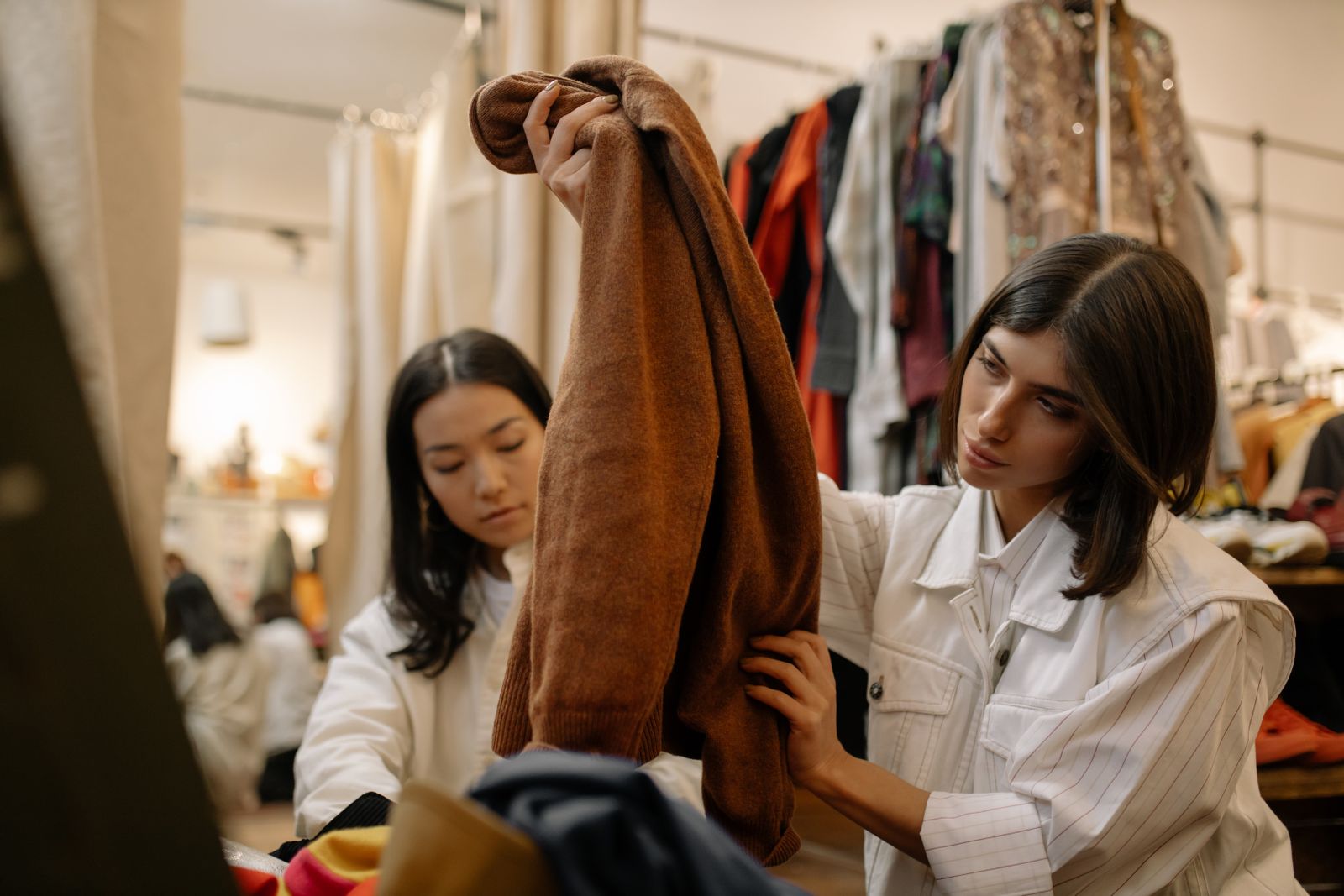
Secondhand fashion platforms, thrift stores, clothing swaps, and upcycled fashion brands are becoming more popular. These options give clothes a longer life and help reduce waste.
Circular fashion also makes wardrobes more unique. A vintage coat, repaired pair of jeans, or upcycled shirt can feel more personal than a mass-produced item. It shows that fashion does not always need to be new to be stylish.
Transparency Will Build Trust
Customers are asking more questions about fashion brands. They want to know who made their clothes, what materials were used, and whether workers were treated fairly. This means transparency will become more important.
Brands that are honest about their supply chains, pricing, materials, and goals will be more likely to earn trust. Customers understand that no brand is perfect, but they want real effort and clear communication.
In the future, fashion companies will need to prove their values through action, not just marketing.
A Smarter and More Human Fashion Future
The future of fashion will not be shaped by one trend alone. It will be shaped by a mix of responsibility, innovation, creativity, and individuality. Sustainability will help reduce waste. Technology will improve design and shopping. Inclusivity will make fashion more welcoming. Personal expression will allow people to dress with more freedom.
Fashion will always be about beauty and creativity, but it is becoming something more thoughtful. The best fashion of the future will not only look good. It will also support people, respect the planet, and help individuals feel confident in who they are.