Why Personal Style Changes Over Time and How to Embrace That Evolution

Personal style evolution and wardrobe inspiration

Why Personal Style Changes Over Time and How to Embrace That Evolution

Personal style is not something that stays the same forever. It changes as people grow, move through different life stages, discover new interests, and learn more about themselves. The clothes someone loved five years ago may no longer feel right today. A person who once enjoyed bold trends may later prefer simple classics. Someone who dressed casually for years may begin to enjoy more polished outfits.

This change is normal. Fashion is connected to identity, mood, lifestyle, confidence, and daily needs. As those things shift, personal style naturally changes too. Instead of feeling confused or guilty about it, people can learn to embrace style evolution as part of personal growth.

Personal Style Reflects Life Changes

One of the main reasons personal style changes over time is that life changes. A student’s wardrobe may look different from the wardrobe of someone starting a new career. A new parent may need practical clothes that allow movement and comfort. Someone moving to a different city or climate may need new fabrics, layers, and shoes.

Career changes, relationships, travel, body changes, age, and daily routines can all affect what people wear. Clothes must work for real life. When life becomes different, the wardrobe often needs to change with it.

This does not mean someone has lost their sense of style. It means their style is adapting.

Confidence Can Change Fashion Choices

As people become more confident, their fashion choices often change. Some may begin wearing bolder colors, fitted clothing, statement accessories, or unique pieces they once avoided. Others may become confident enough to dress more simply without feeling the need to impress anyone.

Confidence helps people choose clothes based on what feels right, not only what others expect. This can lead to a stronger and more authentic personal style.

Over time, people learn which outfits make them feel powerful, comfortable, attractive, or relaxed. That knowledge shapes better fashion decisions.

Trends Influence Style, But They Do Not Define It

Fashion trends can also affect personal style. People may experiment with new colors, cuts, fabrics, or accessories because they see them online, in stores, or on celebrities. Trying trends can be fun and inspiring.

However, as people grow, they often become better at choosing which trends suit them. They may stop following every new fashion movement and focus only on the ones that fit their personality and lifestyle.

This is an important part of style evolution. Trends can offer ideas, but personal style becomes stronger when people learn what to accept, adjust, or ignore.

Body Changes Can Shift Wardrobe Needs

Bodies change throughout life. Weight, shape, posture, comfort needs, and personal preferences can all shift. These changes can affect how clothing fits and feels.

It is important to dress for the body you have now, not the body you had in the past. Holding onto clothes that no longer fit or feel good can make getting dressed stressful. Updating your wardrobe to support your current body can improve confidence and comfort.

Style should never be about punishment or pressure. It should help you feel at home in your body.

Personal Taste Becomes Clearer With Time

Many people go through fashion phases while discovering what they like. They may try vintage fashion, streetwear, minimalism, bright colors, formal looks, oversized clothing, or classic pieces. Some experiments will feel right. Others will not.

These phases are useful because they help people understand their taste. Over time, patterns become clear. You may notice that you always return to neutral colors, relaxed tailoring, denim, dresses, sneakers, or simple jewelry.

Personal style becomes easier when you understand what you naturally enjoy wearing.

Let Go of Clothes That No Longer Fit Your Life

Embracing style evolution often means letting go. Some clothes may hold memories but no longer serve your current lifestyle. Others may represent a version of yourself that you have outgrown.

You do not need to throw everything away. Special pieces can be kept for sentimental reasons. But everyday clothing should support the person you are now.

Donating, selling, tailoring, or repurposing old clothes can make space for a wardrobe that feels more current and useful.

Build a Wardrobe Slowly

When personal style changes, there is no need to replace everything at once. A better approach is to build slowly. Start by noticing what you actually wear most. Then add pieces that match your current lifestyle and taste.

Choose clothing that can mix with what you already own. Focus on fit, comfort, color, and quality. A few thoughtful additions can refresh your wardrobe without creating clutter.

Style evolution should feel natural, not rushed.

Stay Open to Experimenting

Even when you know your style well, it is helpful to stay open. Trying a new color, shape, accessory, or outfit combination can keep fashion enjoyable. Personal style should not become another strict rule.

You might discover that something unexpected works for you. A new jacket, different shoe style, or fresh color palette can bring new energy to your wardrobe.

Experimenting does not mean losing your identity. It means allowing your style to grow.

Embrace the Person You Are Becoming

Personal style changes because people change. That is not a problem. It is a sign of growth, experience, and self-awareness. Clothing can reflect where you have been, but it can also support where you are going.

The best style is not frozen in time. It moves with you. It adapts to your body, your goals, your confidence, your work, your relationships, and your dreams.

When you embrace style evolution, fashion becomes more personal and more freeing. You stop dressing for an old version of yourself and start dressing for the life you are living now.
The Rise of Quiet Luxury and Why Understated Fashion Feels So Powerful

Quiet luxury fashion inspiration

The Rise of Quiet Luxury and Why Understated Fashion Feels So Powerful

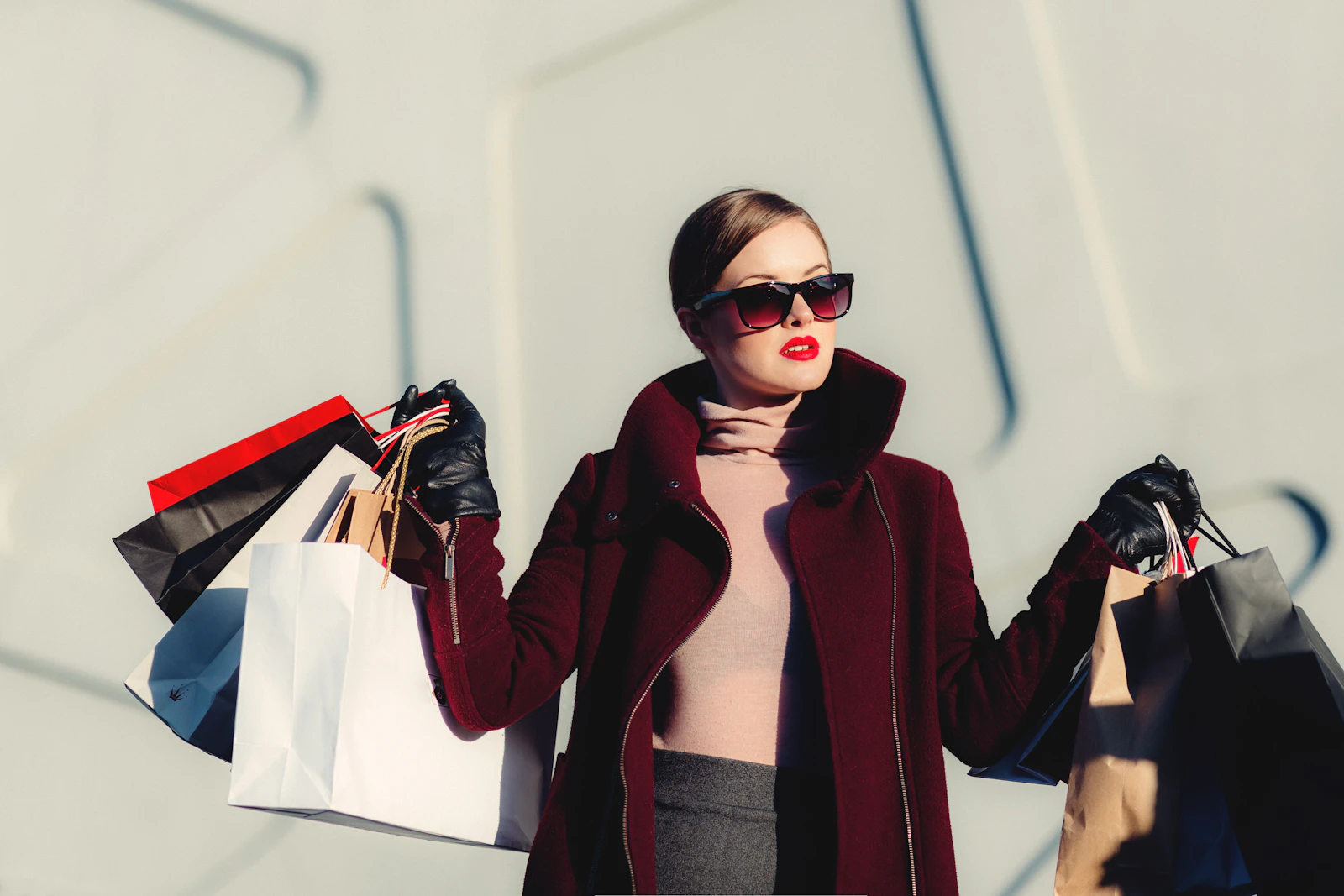
One of the most talked-about trends in modern fashion is quiet luxury. Quiet luxury is different from loud logos, bright prints, or evident designer labels because it emphasises on subtle elegance, high-quality materials, clean tailoring, and timeless design. It’s style that appears costly without having to say so.

This style isn’t about showing off. It’s about having faith, holding back, and making smart decisions. Logos on clothes don’t make as strong of a statement as a properly cut coat, a soft cashmere sweater, tailored trousers, leather shoes and a plain neutral handbag. Quiet luxury shows that you don’t have to wear loud clothes to feel powerful.

What is the meaning of “quiet luxury”?
Simple, high-quality, and refined are the main ideas behind the fashion style known as “quiet luxury.” It usually has classic shapes, neutral colours, little details, and natural textiles. Quiet luxury doesn’t follow trends; it concentrates on clothes that will last for years.

Wool coats, pristine white shirts, silk blouses, tailored blazers, straight-leg trousers, leather belts, plain dresses and polished shoes are all examples of modest luxury items. These things don’t have to be dramatic, but they appear classy because of how they fit, the cloth, and the polish.

The best thing about silent luxury is that it doesn’t seem like work. It doesn’t need a lot of styling or big branding. The clothes say something through their quality and fit.

Why Fashion That Isn’t Over the Top Feels Strong
Understated fashion is powerful because it makes you look confident. People who dress like this don’t need their clothes to get attention. Instead, their manner makes them feel peaceful, safe, and purposeful.

When you pay attention to every detail, even a simple suit may make a big impression. A blazer that fits well, neat pants, and polished shoes might show that you are professional and have good taste. An attractive outfit made of a gorgeous fabric can look good without being too fancy.

Quiet luxury is strong because it makes the person stand out, not just the clothes.

Logos Don’t Matter as Much as Quality
One of the main ideas behind quiet luxury is that quality is more important than branding that is easy to see. A logo can tell you where something comes from, but quality can tell you how it was manufactured.

The fabric, stitching, shape, weight, and movement all matter. If it has clean seams and a nice shape, a plain wool coat might look expensive. A basic white shirt can look classy if the material is pristine and the fit is just right.

This development has made a lot of individuals think differently about style. They don’t question, “What brand is this?” Instead, they ask, “Does this look and feel well made?”

Colours That Aren’t Too Bright Are Always In Style
Soft, neutral colours like black, white, cream, beige, grey, navy, camel, and brown are typically used in quiet elegance. These colours are easy to wear and don’t go out of style very often. They also give you a serene, professional look.

Outfits look more expensive in neutral colours because they look tidy and put together. It’s easy to look classy with a cream jumper with beige pants, a camel coat over black clothes or a grey blazer with navy pants.

These colours also make a wardrobe more useful. It’s easy to mix and match pieces, which encourages a more considered approach to fashion.

The Look Depends on Fit
Fit is very important for quiet luxury. The clothes are simple, so it’s easier to see when they don’t fit well. A blazer that tugs at the shoulders, trousers that fall in the wrong way or a coat that feels too heavy can make the whole outfit look bad.

Good tailoring helps apparel that isn’t too flashy look planned. Clothes should fit nicely, let you move, and make clean lines. You shouldn’t wear clothes that are too tight. The point is to wear clothes that feel good and balanced.

A simple dress that fits well will nearly always appear better than a stylish outfit that doesn’t fit the body.

Quiet Luxury Helps You Shop in a Way That Lasts
Quiet luxury is also linked to more mindful ways of spending. The style is based on classic elements, so individuals are encouraged to buy fewer things and wear them for longer. This can help you stop buying things on a whim and keep your wardrobe from getting too full.

Someone can choose a classic coat, good pants or sturdy shoes instead of following every trend. You can style these pieces in a lot of different ways, and they will still be useful year after year.

A quiet luxury wardrobe doesn’t have to cost a lot of money. The goal is to chose better, not always to spend more. Clothes that are cheap can yet seem classy if they fit well, are made of good fabric, and are styled simply.

Why Quiet Luxury Is So Popular
People are sick of fashion that is too fast, too loud, or too temporary, thus quiet luxury has arisen. In a world where trends change all the time and social media puts a lot of pressure on people, simple clothes feels new.

It makes you feel relaxed. It lets folks look put together without looking like they’ve tried too much. It also fits a lot of different lifestyles because it may be worn to work, on vacation, for dinner, on casual days, and in formal occasions.

The rise of silent luxury suggests that consumers are more interested in long-lasting style than style that gets a lot of attention right away.

How to Put Quiet Luxury in Your Closet
Start with basic items in neutral colours to get a peaceful luxury look. Pick shirts that are clean, trousers that fit well, soft knitwear, structured jackets and classic shoes. Pay attention to how well each piece fits, what kind of fabric it is, and how it goes with the rest of your clothes.

Don’t wear too many accessories. A leather belt, a basic watch, gold earrings, or a structured purse can finish off the ensemble without making it look too cluttered. Don’t use too many logos, loud prints, or extra details.

Quiet luxury isn’t about duplicating one style exactly. It’s about dressing carefully, with confidence, and with moderation.

The Lasting Power of Simple Style
Quiet luxury is compelling because it prioritises subtlety over attention. It shows that style may be strong without being loud. It honours comfort, quality, confidence, and design that will never go out of style.

Trends in fashion will constantly vary, but simple elegance will always be in style. A basic but stunning clothing may make someone look put together, confident, and unforgettable. That is what makes silent luxury so strong.

How to Choose Clothes That Feel Good, Look Good, and Last Beyond One Season

Clothing rack with everyday wardrobe pieces

How to Choose Clothes That Feel Good, Look Good, and Last Beyond One Season

Choosing clothes that feel good, look good, and last beyond one season is one of the best ways to build a smarter wardrobe. Trends can be fun, but clothes that only work for a few weeks often end up forgotten at the back of the closet. A better approach is to choose pieces that fit your lifestyle, feel comfortable on your body, and stay useful long after a trend has passed.

Good clothing does not always mean expensive clothing. It means paying attention to fit, fabric, quality, color, and how well each item works with the rest of your wardrobe. When you choose carefully, you buy less, wear more, and feel better in what you own.

Start With Comfort

Comfort should never be an afterthought. If a piece of clothing looks stylish but feels uncomfortable, you probably will not wear it often. Clothes that pinch, scratch, ride up, feel too tight, or need constant adjusting can make you feel distracted all day.

Before buying anything, think about how it feels when you move. Can you sit comfortably? Can you walk easily? Does the fabric feel good against your skin? Does the waistband feel secure without digging in?

Comfort does not mean sacrificing style. A well-fitted pair of trousers, a soft cotton shirt, a relaxed blazer, or a simple dress can look polished while still feeling easy to wear. The best clothes support your day instead of making it harder.

Pay Attention to Fit

Fit is one of the most important parts of looking good. Even a simple outfit can look stylish when the clothes fit properly. On the other hand, even expensive clothing can look wrong if it pulls, sags, or overwhelms your shape.

Look for clothes that follow your body naturally. Shoulder seams should sit close to your shoulders. Trousers should feel comfortable at the waist and fall neatly. Dresses and tops should allow movement without feeling too loose or too tight.

If something is almost perfect, small alterations can help. Hemming trousers, shortening sleeves, or adjusting a waist can make clothes feel more personal and polished. A good fit also helps clothing stay useful because you are more likely to reach for items that make you feel confident.

Choose Quality Fabrics

Fabric affects how clothing feels, looks, washes, and lasts. Better fabrics usually hold their shape longer, feel nicer on the skin, and age more gracefully. This does not mean every item needs to be luxury quality, but it does mean you should check the material before buying.

Cotton, linen, wool, denim, silk, and well-made blends can all be good choices depending on the garment. Some synthetic fabrics can also be practical, especially for activewear, outerwear, and travel clothing. The key is to avoid fabrics that feel overly thin, rough, weak, or likely to lose shape quickly.

Hold the garment up to the light. Feel the fabric with your hands. Check whether it stretches back into place. Look at the stitching and seams. These small checks can tell you a lot about whether the item is likely to last beyond one season.

Think About Versatility

Clothes last longer in your wardrobe when they can be worn in more than one way. Before buying something, ask yourself whether you can style it with at least three items you already own. If the answer is yes, it is more likely to become a useful part of your wardrobe.

Versatile clothes often include simple shirts, neutral trousers, classic jeans, knitwear, blazers, plain dresses, and practical jackets. These pieces can be dressed up or down depending on the shoes, bag, and accessories.

A white shirt can work with jeans, tailored trousers, skirts, or under a sweater. A black dress can look casual with sneakers or elegant with boots and jewelry. A good pair of jeans can be worn across many seasons with different layers.

Avoid Buying Only for Trends

Trends can add freshness to your wardrobe, but they should not control every purchase. If you buy something only because it is popular, you may stop wearing it once the trend fades.

Instead, choose trends that fit your personal style. If a trending color suits you, try it in a top or accessory. If a new trouser shape works with your wardrobe, it may be worth adding. But if a trend feels uncomfortable, impractical, or unlike you, it is fine to skip it.

Clothes that last beyond one season usually have some timeless quality. They may have a simple shape, a useful color, a flattering fit, or a fabric that works year after year.

Choose Colors You Actually Wear

Color plays a big role in how often you wear something. Some people love neutrals such as black, white, navy, grey, beige, and brown. Others feel best in bright colors or soft pastels. The most important thing is to choose colors that suit your life and make you feel good.

A wardrobe built around wearable colors is easier to mix and match. This does not mean everything has to be plain. You can still include prints, bold shades, or statement pieces. Just make sure they work with the rest of your clothes.

Care for Your Clothes Properly

Even good clothes will not last if they are not cared for well. Washing too often, using high heat, or ignoring care labels can damage fabric and shape. Simple habits can help your clothing last longer.

Wash clothes gently when possible. Air dry delicate items. Fold knitwear instead of hanging it. Remove lint, trim loose threads, and store shoes and bags properly. These small actions protect your wardrobe and keep outfits looking fresh.

Final Thoughts

Choosing clothes that feel good, look good, and last beyond one season is about making thoughtful decisions. Focus on comfort, fit, fabric, versatility, and personal style. Avoid buying only for trends, and choose pieces that work with your real life.

A lasting wardrobe does not need to be large. It needs to be useful, comfortable, and true to you. When you choose better, you wear your clothes more often, feel more confident, and build a wardrobe that stays stylish season after season.